General

Promotional Power Banks: Everything You Need to Know Before Buying

Promotional Power Banks: Everything You Need to Know Before Buying
Last updated on 2026-08-11

As mobile devices occupy an increasingly central role in our daily lives, battery life has become one of our most pressing challenges. From smartphones and tablets to wireless earbuds and smartwatches, many devices need to remain powered throughout busy workdays. Since power outlets are not always within reach, portable chargers—commonly known as power banks—provide an exceptionally practical solution to this problem.

What is a power bank? Fundamentally, power banks are portable charging devices that store electrical energy in their internal battery cells and transfer that power to various electronic devices whenever needed. They are designed to meet the energy demands of mobile devices during travel, at the office, during outdoor activities, or in any environment without access to a wall socket. Manufactured in a wide variety of capacities and port configurations, power banks have earned an essential place in daily life, the corporate world, and as executive promotional swag.

In this comprehensive guide, you will find everything you need to know about power banks! What key factors should you consider when choosing a power bank? How can they be customised as corporate gifts? What are the best usage practices and upcoming innovations in charging technology? Keep reading to discover all the details!

1. What to Consider When Buying a Power Bank

A. Battery Capacity

One of the most critical factors when selecting a power bank is battery capacity. The internal battery of a portable charger is measured by the amount of electrical energy it can store, typically expressed in mAh (milliampere-hours). However, the nominal value printed on the device does not always reflect the directly usable capacity. Battery cell technology, energy conversion losses, and operating conditions play a defining role in real-world charging performance.

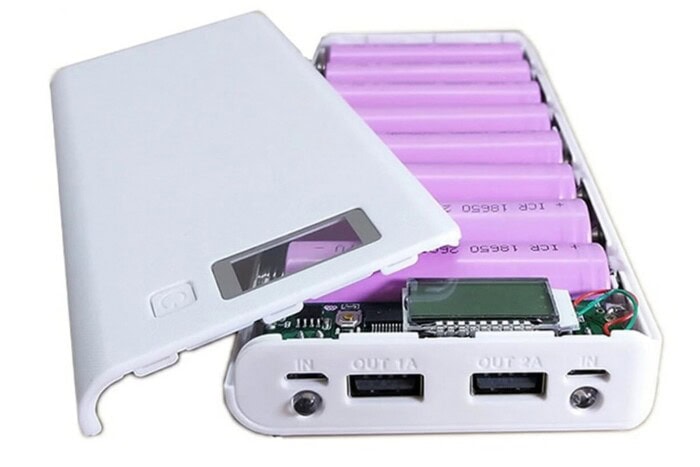
Lithium-Ion Cylindrical Cell
Li-Ion

Lithium-Ion Cylindrical Cell

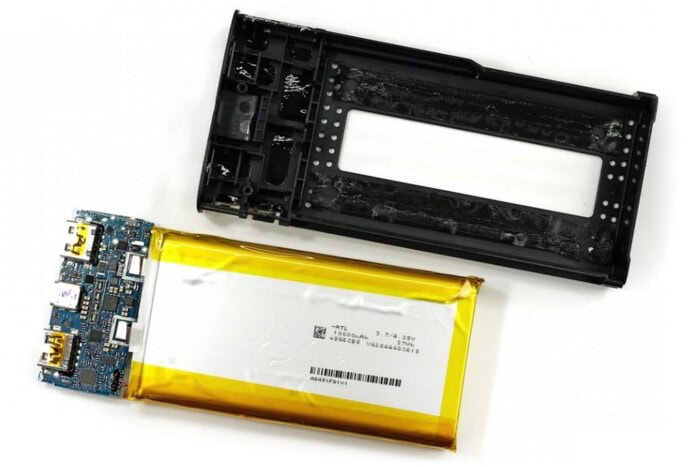
Lithium-Polymer Battery Cell
Li-Po

Lithium-Polymer Battery Cell

Power banks commonly utilise Lithium-Ion (Li-Ion) and Lithium-Polymer (Li-Po) battery cells. Lithium-Ion batteries are more widespread and provide a cost-effective solution, whereas Lithium-Polymer batteries are favoured in premium slim models due to their thin, lightweight profile. However, both cell types have inherent conversion efficiency limits, meaning some energy is naturally lost during the charging process.

While a power bank’s rated capacity indicates how much energy it can theoretically hold, you cannot use 100% of that capacity in practice. The main reason is that internal power bank battery cells operate at a nominal voltage of 3.7V, whereas smartphones and other USB devices charge at 5V. As power is boosted to compensate for this voltage difference, energy is lost as heat during conversion. On average, the actual usable capacity of a power bank equals roughly 70–80% of its rated nominal value. For instance, a 10,000 mAh power bank will typically deliver around 7,500 mAh of usable energy.

To choose the right power bank, you must first know the battery capacity of the device you intend to charge. For daily smartphone use, a power bank with at least twice the battery capacity of your phone is an ideal choice. For example, if you use a smartphone with a 4,000 mAh battery, a 10,000 mAh power bank will easily cover your everyday needs. However, for travel or long periods away from power outlets, models rated at 20,000 mAh and above offer a much better solution. To charge larger devices like tablets or laptops, high-output power banks rated up to 30,000 mAh are recommended.

As capacity increases, the physical size and weight of the power bank increase as well. If portability is a priority for daily carry, lightweight and compact designs should be favoured. Therefore, selecting a capacity that matches your lifestyle and charging habits is the smartest decision for both comfort and efficiency.

How Many Times Can a Power Bank Charge Your Phone? Recommendations by Smartphone Model:

Smartphone Model Average Battery Capacity Recommended Power Bank Capacity Estimated Number of Charges
iPhone 17 / 16 Pro Max 4,685 mAh 15,000 mAh 2.4x
iPhone 15 / 14 Pro Max 4,337 mAh 15,000 mAh 2.6x
iPhone 15 / 14 3,288 mAh 10,000 mAh 2.3x
Samsung Galaxy S24 Ultra / S23 Ultra 5,000 mAh 15,000 mAh 2.2x
Samsung Galaxy S24+ / S23+ 4,950 mAh 15,000 mAh 2.3x
Samsung Galaxy S24 / S23 4,000 mAh 10,000 mAh 1.9x
Redmi Note 13 Pro / Note 12 5,050 mAh 15,000 mAh 2.3x
Oppo Find X7 Ultra / Reno 10 4,800 mAh 15,000 mAh 2.4x
Xiaomi 13 Pro / 12T 4,910 mAh 15,000 mAh 2.3x
Vivo X100 Pro / V29 5,000 mAh 15,000 mAh 2.2x

B. Number and Variety of Ports

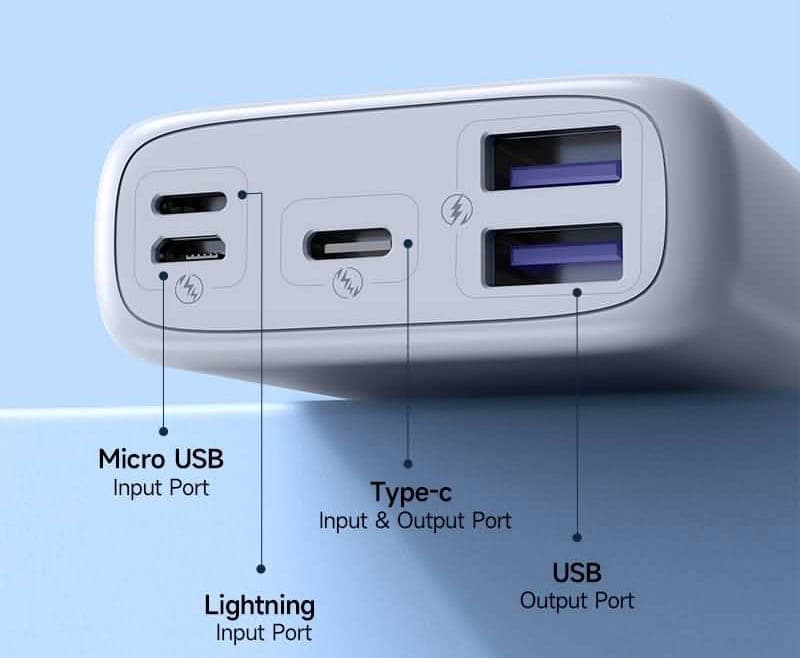
Another crucial factor when selecting a power bank is the number and variety of ports. Since modern mobile devices feature diverse charging interfaces, port compatibility is paramount. Power banks typically come equipped with USB-A, USB Type-C, and Lightning connectivity. For anyone looking to eliminate cable clutter completely, our 20,000 mAh digital display power bank with built-in Type-C and Lightning cables makes a prestigious and lifesaving promotional gifting choice.

Power Bank

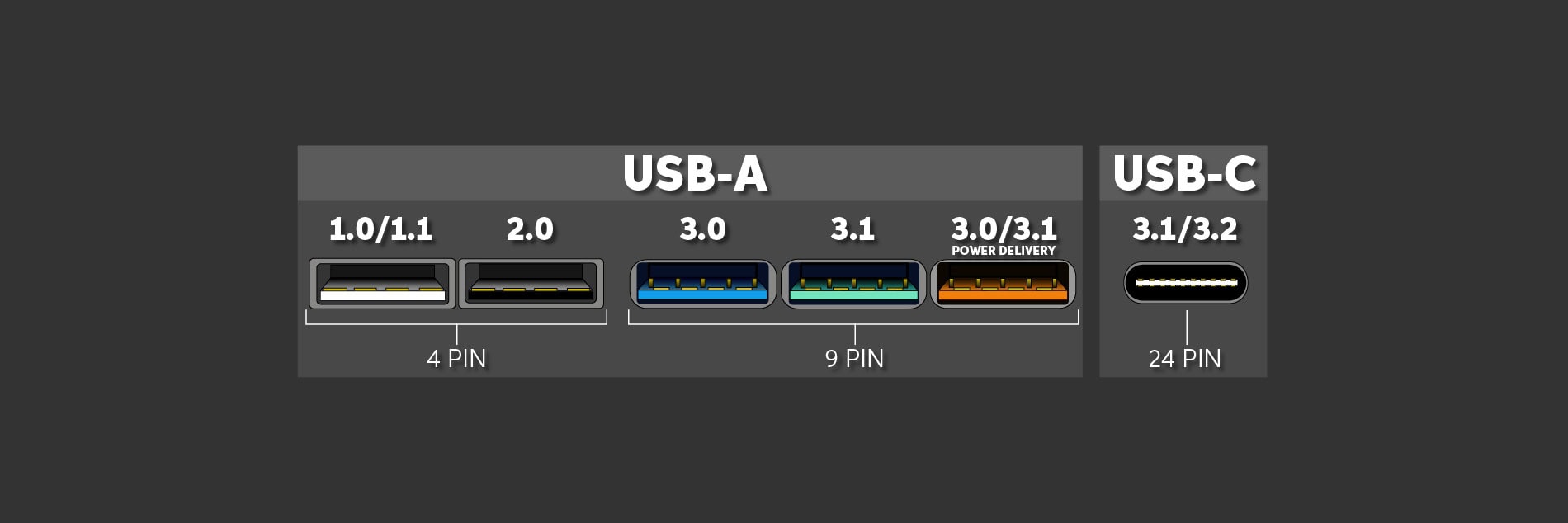
USB-A: One of the most traditional connection ports. It charges a wide variety of smartphones and accessories using standard USB cables. However, it may not deliver sufficient speed for newer devices that require advanced fast-charging protocols.

Type-C: The modern standard for charging interfaces, capable of serving as both an input and output port. It delivers optimal performance with devices that support fast-charging technologies. Specifically, Type-C ports with PD (Power Delivery) support can power high-demand devices such as iPads, tablets, and even laptops.

Additionally, since the iPhone 15 series and subsequent Apple devices now feature Type-C ports, they can recharge faster and more efficiently using Type-C power banks.

Lightning: A charging and data transfer port developed specifically by Apple. It is widely used across Apple products such as the iPhone, iPad, and AirPods. Apple users can conveniently recharge their power banks using a Lightning cable.

C. Charging Technology

As mobile devices become central to our professional workflows, charging technologies evolve at a rapid pace. Today, fast and highly efficient charging solutions are essential. Users want their devices charged in less time with minimal energy loss. Consequently, wired and wireless charging standards are continuously upgraded, introducing systems that transfer power at higher wattages with superior efficiency.

Wireless charging technology allows devices to charge via electromagnetic induction or magnetic resonance without needing physical cables. Users simply place their compatible device onto a charging pad to begin refuelling. Removing the need to plug and unplug cables provides exceptional convenience in daily life. Wireless charging support has become widely available in power banks, making cable-free charging an effortless reality. However, wireless charging is inherently less efficient than wired charging and requires precise alignment between the device and the charging coil.

In wireless charging technology, charging speeds vary depending on the device and the wattage supported by the charger. Standard wireless charging begins at 5W, while advanced devices can reach 10W, 15W, or even 50W+ on select models. However, due to natural energy losses in wireless transmission, charging times are generally longer compared to a wired charger of the same wattage. Advanced magnetic alignment systems and cooling solutions are utilised to create a more efficient wireless charging experience.

PD
Power Delivery (PD)

High-Output Charging via USB Type-C

Power Delivery (PD) is a fast-charging protocol that enables high-wattage power transfer over a USB Type-C connection. Unlike traditional chargers, PD-enabled adapters dynamically negotiate voltage and current to deliver the exact power required by the connected device. Ranging from 18W up to 100W, PD chargers can rapidly refuel smartphones as well as high-capacity devices like laptops and tablets. Widely integrated into modern devices, this technology provides fast and secure charging.

A power bank with Type-C PD support can charge smartphones up to 4 times faster than standard chargers.

QC
Quick Charge (QC)

Qualcomm's Fast-Charging Standard for Android

Developed by Qualcomm, Quick Charge is a fast-charging protocol widely utilised across Android devices. By supplying higher electrical current than standard chargers, it drastically shortens charging times. QC 3.0, 4.0, and the latest QC 5.0 standards support high-wattage charging while optimising thermal management to protect battery longevity. However, this technology operates at full potential primarily on smartphones powered by Qualcomm Snapdragon processors.

It is up to 4 times faster than standard charging. Devices with QC 5.0 support can achieve rapid charging up to 100W. Note that Apple iPhone devices do not support Quick Charge technology.

Qi
Qi and Qi2

The Universal Wireless Charging Standard

Developed by the Wireless Power Consortium (WPC), this system enables wireless charging across compatible devices within a specified proximity. Qi-certified chargers are supported by Apple, Samsung, and major global manufacturers. Qi2 is the next-generation upgrade to Qi, incorporating magnetic alignment similar to Apple's MagSafe to ensure a more stable and energy-efficient charge. Qi2 makes proper device placement effortless while minimising energy loss.

Apple's Proprietary Magnetic Wireless Charging

Although built upon the Qi standard, MagSafe incorporates magnetic alignment to deliver a far more stable and efficient charging experience. MagSafe chargers and accessories are compatible with iPhone 12 and newer models, providing up to 15W of wireless charging. Thanks to its strong magnetic grip, MagSafe-compatible power banks snap securely to the back of your phone, providing uninterrupted charging even while on the move.

Additionally, this Custom BrandCharger power bank doubles as an upright desktop phone stand while charging, making it the ultimate choice for executive gifting.

GaN
GaN (Gallium Nitride)

More Efficient, Faster, and Safer Power

Gallium Nitride (GaN) technology is a breakthrough innovation that allows power banks to become significantly smaller, lighter, and more efficient. Compared to traditional silicon semiconductors, GaN components offer superior electrical efficiency, reducing heat generation and enabling faster charging speeds. Consequently, even high-capacity, high-wattage power banks can be engineered into ultra-compact form factors. This advancement is especially prominent in models supporting 100W+ charging output.

This innovation provides a tremendous advantage for professionals who need to rapidly recharge large-battery devices such as laptops while on the go.

SuperVOOC

For Oppo, Realme, and OnePlus Devices

SuperVOOC is a proprietary fast-charging protocol developed by Oppo that operates at peak performance primarily on Oppo and Realme devices. Because other manufacturers do not support this proprietary technology, a SuperVOOC-enabled power bank will charge third-party devices only at standard charging speeds.

This technology is an evolution of the VOOC charging protocol, delivering ultra-fast charging when paired with specially designed adapters, cables, and devices. For instance, a 65W+ SuperVOOC power bank can refuel a compatible Oppo or Realme smartphone in just minutes.

However, if you connect a SuperVOOC power bank to a Samsung, iPhone, or other brand device, charging speeds will drop to standard PD (Power Delivery) or QC (Quick Charge) levels because those devices do not recognise the SuperVOOC protocol. Therefore, if you do not use an Oppo or Realme device, you will not benefit from the maximum charging speeds of this technology.

D. Using the Right Charging Cable

To maximise your power bank’s efficiency, choosing the right cable is essential. The cable you use directly impacts charging duration based on its current-carrying capacity, internal conductor quality, and length. Using a cheap, incompatible, or low-grade cable can result in substantial power loss, causing charging times to drag on unnecessarily. Long, poorly insulated cables prevent energy from transferring efficiently between the power bank and your device. Higher electrical resistance leads to greater energy loss and slower charging. Therefore, for high-wattage charging, you should always favour shorter cables (3 feet/1 metre or less) manufactured with high-purity copper conductors. To guarantee both peak performance and brand visibility, you can perfectly complement your corporate gifts with a custom charging cable tailored to your brand.

Selecting the correct cable is equally vital for Apple users. Older Lightning-equipped iPhone models may charge at reduced wattages when paired with non-MFi (Made for iPhone) certified cables, resulting in sluggish performance. Since the iPhone 15 series and subsequent models have transitioned to USB Type-C, you should use a high-quality USB-C cable rated for high-wattage power delivery to ensure fast charging.

An improper cable choice can prevent you from utilising your power bank’s full output potential. Charging speed depends not only on the power bank’s wattage, but also on how efficiently the cable delivers that electrical current. When using a low-quality cable, even a fast-charging power bank will charge your device slowly.

In conclusion, to experience the maximum efficiency and capacity your power bank offers, your best choice is to use the original charging cable included with your device. Manufacturers engineer original cables to match your device’s exact electrical specifications. If you need to use an aftermarket alternative, always select a high-quality, certified cable that explicitly supports fast-charging protocols.

E. Additional Features

A power bank’s battery indicator is a highly practical feature for monitoring remaining charge levels. Basic LED indicator lights typically show remaining capacity in four approximate 25% increments, whereas models with LCD digital displays provide exact percentage readouts. Especially during intensive use or business travel, knowing precisely when your portable charger needs refuelling is a tremendous advantage.

Power banks with built-in charging cables allow users to power up their devices without carrying tangled extra cords. Featuring integrated Lightning, USB-C, or Micro-USB cables built right into the chassis, these models eliminate the frustration of forgotten or misplaced cords while offering exceptional convenience on the go.

Certain power bank models feature suction cup mounts that adhere firmly to your device. This feature provides a significant advantage for smartphones that support wireless charging. The suction cups hold the phone securely against the power bank, preventing charging interruptions while walking or travelling. It offers practical, hands-free charging whether stored in a briefcase or carried in hand.

Advanced smart chip technology built into premium power banks provides comprehensive protection against overcurrent, overvoltage, short circuits, and overheating. Intelligent circuit management automatically adjusts output wattage to match the connected device’s requirements, optimising charging speeds while safeguarding battery health. These built-in safety mechanisms guarantee a long, dependable service life for both the power bank and your mobile devices.

Many executive power bank models come equipped with multifunctional extras such as integrated portfolios/agendas, LED flashlights, phone stands, or built-in USB flash drives. These versatile designs provide added utility during corporate meetings, travel, or outdoor excursions. For example, portfolio power banks offer executive functionality during conferences, while flashlight-equipped models are great for outdoor activities. Built-in phone stands allow comfortable hands-free viewing, and integrated USB flash drives let you carry essential digital files without needing extra hardware.

2. Power Banks: An Effective Promotional Product and Corporate Gift Option

Tech accessories rank among the most popular and impactful choices in the promotional merchandise industry. With smartphone reliance at an all-time high, power banks have become an everyday necessity for everyone. As an accessory carried constantly throughout the workday, a custom-branded power bank serves as a highly effective promotional tool for expanding brand awareness.

Choosing power banks for corporate gifting is exceptionally advantageous due to their universal functionality and long-term utility. Because they are used daily, your company logo receives sustained impressions over an extended period. Power banks are indispensable during business travel, at conferences, and in daily office life. With your logo custom-printed on the casing, recipients are reminded of your brand every time they plug in to recharge. For this reason, a power bank is far more than a simple giveaway—it is a valued executive corporate gift for your clients and team members.

Under our proprietary Chipia brand, we import our own high-performance power bank models while also offering internationally recognised premium brands like BrandCharger in our catalogue. Our promotional power banks are customised using high-end printing techniques designed to reflect your corporate identity with distinction. Through customisable form factors and elegant logo branding, you can turn portable power into a powerful marketing asset for your company.

For detailed information, check out our blog post: Promotional Product Imprint Methods: A Complete Branding Guide »

3. Frequently Asked Questions About Power Banks

A. How should a power bank be used?

To ensure long-lasting and efficient performance from your power bank, a few basic care guidelines should be followed. Fully charging the device before its initial use conditions the battery cells for optimal operation. During regular use, recharging the battery before it drops below 20%—rather than letting it drain completely to 0%—helps preserve long-term battery health.

Avoid exposing your power bank to extreme temperatures during charging. Specifically, operating temperatures below 41°F (5°C) or above 104°F (40°C) can degrade battery cell capacity. Furthermore, even if you do not use your power bank for extended periods, recharging it once every three months keeps its internal chemical structure active and healthy.

Using low-grade or damaged charging cables can cause electrical resistance, power loss, and sluggish charging speeds. For optimal performance, always pair your device with a certified, high-quality cable. Additionally, charging your smartphone while the power bank itself is recharging from a wall outlet is not recommended, as pass-through charging can generate excessive heat.

Safe transport and storage are equally important. Because contact with metal objects like keys or coins can cause short circuits, carry your power bank carefully in a bag or dedicated pocket. Finally, protecting your portable charger from drops and sharp impacts preserves internal circuitry and extends its operational life.

B. Can a power bank charge a laptop?

Yes, you can charge a laptop with a power bank, but not every power bank is built for the job. Standard portable chargers typically deliver a 5V output, which is only sufficient for charging smartphones or small mobile accessories. To charge a laptop, you need a power bank capable of delivering at least 16V–20V of output power. High-output power banks are generally equipped with USB-C Power Delivery (PD) ports or specialised DC output jacks.

Battery capacity and wattage ratings are also critical. For example, a 10,000 mAh power bank may not store enough energy to fully recharge an average laptop battery even once. Instead, you should choose a model rated at 20,000 mAh or higher that supplies at least 45W–65W of output power. If your laptop supports USB-C Power Delivery, you can easily power it using a Type-C PD power bank.

However, because some laptop models require proprietary charging adapters, always verify your laptop’s charging input type and supported voltage range beforehand. Using an incompatible power bank can result in slow charging, failure to charge, or potential battery degradation. In conclusion, carefully check output wattage, total mAh capacity, and connector compatibility when choosing a laptop-capable power bank.

C. Can you bring a power bank on an airplane?

Power banks are permitted on airplanes, but they must be carried exclusively in your carry-on baggage; placing them in checked luggage is strictly prohibited. This regulation exists because lithium batteries pose a potential fire hazard if they overheat or short-circuit in the cargo hold.

Under international aviation regulations (CATSA and Transport Canada guidelines), power banks rated under 100 Wh (approx. 27,000 mAh) can be carried on board without special permission. Batteries rated between 100 Wh and 160 Wh require explicit airline approval prior to boarding. Power banks exceeding 160 Wh are strictly prohibited on passenger aircraft.

Since individual airlines may enforce specific limits, checking airline regulations prior to your flight is always recommended.

D. How can you tell the quality of a power bank?

Evaluating the quality of a power bank involves examining several key structural and technical factors. First, evaluate the durability of the outer casing and build materials. A power bank manufactured from sturdy, high-impact materials ensures long-term reliability. Snug, well-fitted USB ports, responsive power buttons, and clear, legible regulatory printing on the casing are strong visual indicators of quality manufacturing.

One of the most critical technical indicators of power bank quality is internal smart chip engineering and safety protection circuitry. High-end models feature intelligent circuit protection against overcurrent, overvoltage, short circuits, and thermal overheating. These safety mechanisms protect your connected devices while significantly extending the lifespan of the power bank.

Furthermore, true usable capacity and conversion efficiency are essential. For example, a power bank rated at 10,000 mAh will typically deliver 6,000–7,000 mAh of usable energy to your smartphone due to normal conversion losses. When choosing a capacity, look beyond the label and evaluate the device’s energy conversion efficiency. Always favour products certified by recognised international standards such as CE, RoHS, CSA, and IC.

Finally, features such as fast-charging protocols (PD, QC), port variety, and ergonomic portability shape the overall user experience. Selecting a high-quality power bank guarantees safe, dependable, and rapid charging for all your mobile devices.

4. The Future of Power Bank Technology

The future of power bank technology centres on meeting growing mobile energy demands through faster, more efficient, and eco-friendly power solutions. While today’s market is driven by fast-charging protocols, wireless charging, and high-capacity battery cells, emerging technologies will soon transform portable power.

In the coming years, solid-state batteries are expected to revolutionise power banks by storing substantially more energy in ultra-compact form factors. Solid-state cells are engineered to be safer, lighter, and longer-lasting than conventional lithium-ion and lithium-polymer batteries. Simultaneously, GaN (Gallium Nitride) technology will enable smaller, higher-efficiency portable chargers. GaN-based power management systems reduce thermal waste while boosting energy transfer, elevating overall power bank efficiency.

Wireless charging technology continues to advance rapidly. With the rollout of Qi2 and long-range wireless charging systems, power banks will soon refuel multiple devices simultaneously without physical cables. Magnetic alignment standards like MagSafe are already supported by an expanding ecosystem of devices. Looking ahead, true over-the-air wireless charging may allow power banks to refuel devices across short distances without physical contact.

Eco-friendly power banks will become increasingly vital as sustainable corporate solutions take centre stage. Casings crafted from recycled ocean plastics, solar-powered power banks that refuel via sunlight, and self-charging batteries utilising piezoelectric or thermal energy conversion will drastically reduce environmental impact.

Additionally, AI-powered energy management will allow smart power banks to analyse user habits and adjust output wattage automatically for maximum charging efficiency. IoT-enabled power banks will synchronise with smartphones to switch into power-saving modes or optimise charging schedules based on calendar workflows.

These upcoming innovations prove that power banks are evolving from basic backup batteries into intelligent, eco-conscious energy ecosystems. Faster, more compact, and highly sustainable power banks will soon power our mobile lives with unprecedented efficiency.